Welcome to Joo Chiat, one of Singapore’s most vibrant heritage districts. Known for its colourful Peranakan shophouses and rich cultural tapestry, this area also hides a quirky secret: a cluster of streets named after tropical fruits. Today, we’ll uncover the story behind these names and the man who shaped this neighbourhood.
The Legacy of Chew Joo Chiat
In the early 1900s, Chew Joo Chiat—nicknamed the “King of Katong”—owned vast coconut and gambier plantations stretching across what is now Katong and Joo Chiat. As Singapore urbanised, Chew subdivided his land into neat plots, paving the way for residential development. His foresight earned him a place in history, and the main road was named after him.
Why Fruit Streets?
Chew’s estates were dotted with tropical fruit trees, and when the Municipal authorities undertook a renaming exercise in the 1930s, they chose names that reflected this agricultural heritage. Streets such as:
• Duku Road – Named after the duku fruit (Lansium domesticum var. duku), a sweet cousin of langsat (they are both varieties of the same tree. An analogy is D13 vs D24 durian). This round fruit closely resembles a bruise on the head,and hence the fruit gave rise to the colloquialism for a bruise “baluku”. This is a Chinese bastardisation and contraction of the Malay name of the fruit – buah duku.
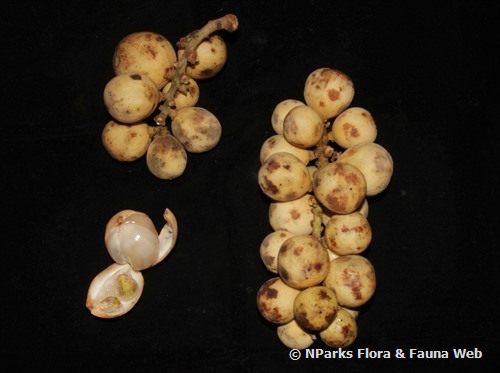
• Langsat Road – Honouring the langsat tree (Lansium domesticum var. langsat), common in the region.
• Rambai Road – After the rambai fruit (Baccaurea motleyana), a lesser-known tropical delicacy.
_lowres.jpg?t=1765460835569)
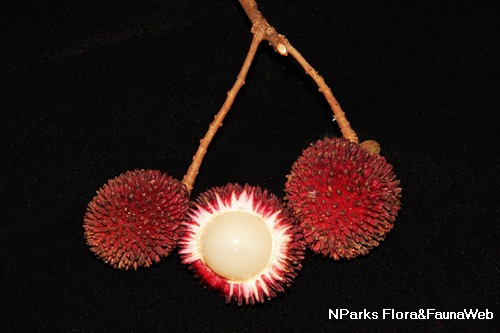
• Pulasan Road – Named for the pulasan fruit (Nephelium ramboutan-ake), similar to rambutan but with a twist.
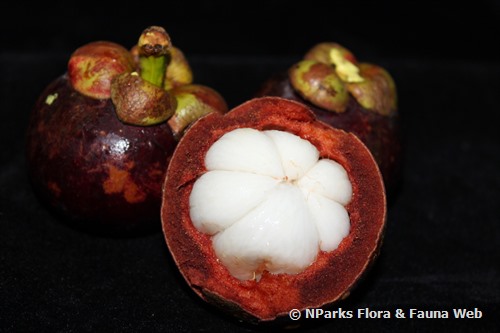
• Mangis Road – Celebrating the mangosteen (Garcinia mangostana), the “queen of fruits”. This purple skinned fruit is associated with the king of fruits – the durian. Locals claim that consuming the mangosteen helps neutralize the heartiness of durian.
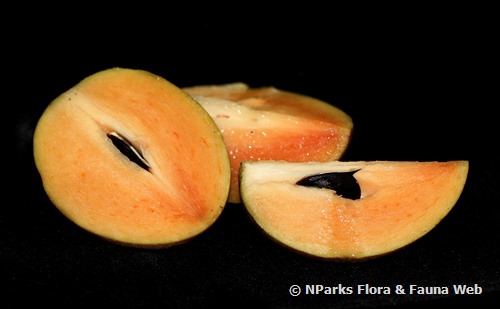
• Chiku Road – After the sapodilla fruit (Manilkara zapota), known locally as chiku. This tan or kaki-fleshed fruit has a unique flavour that is more of an acquired taste.
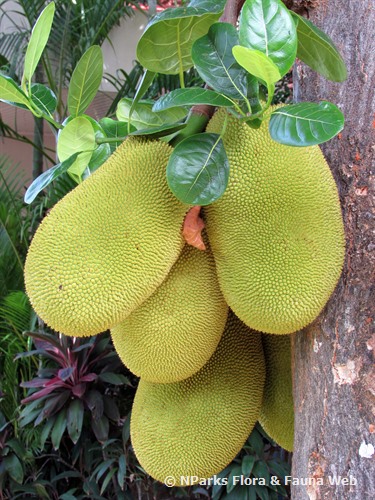
• Nangka Road – Named after the nangka or jackfruit (Artocarpus heterophyllus), these giant fruits are staple in traditional Malay and Peranakan cuisine. The jackfruit in modern gastronomy is often used as a plant replacement for meat, especially in patties. There is a similar, related fruit called the cempedak (Artocarpus integer) and as a child, I often confused the two
Cultural Context
These names are a living reminder of the district’s plantation past. The fruit streets sit amidst rows of Peranakan shophouses, built during the 1920s–30s when Katong became a seaside retreat for the wealthy. The juxtaposition of ornate architecture and humble fruit names tells a story of transition—from rural plantations to cosmopolitan suburb.
Fun Fact
The renaming in 1934 replaced old Lorongs with modern names. For example, Lorong D became Duku Road, and Lorong F became Langsat Road. This was part of a city-wide effort to standardise street names and celebrate local heritage.
 Katong Culture
Leave a comment